

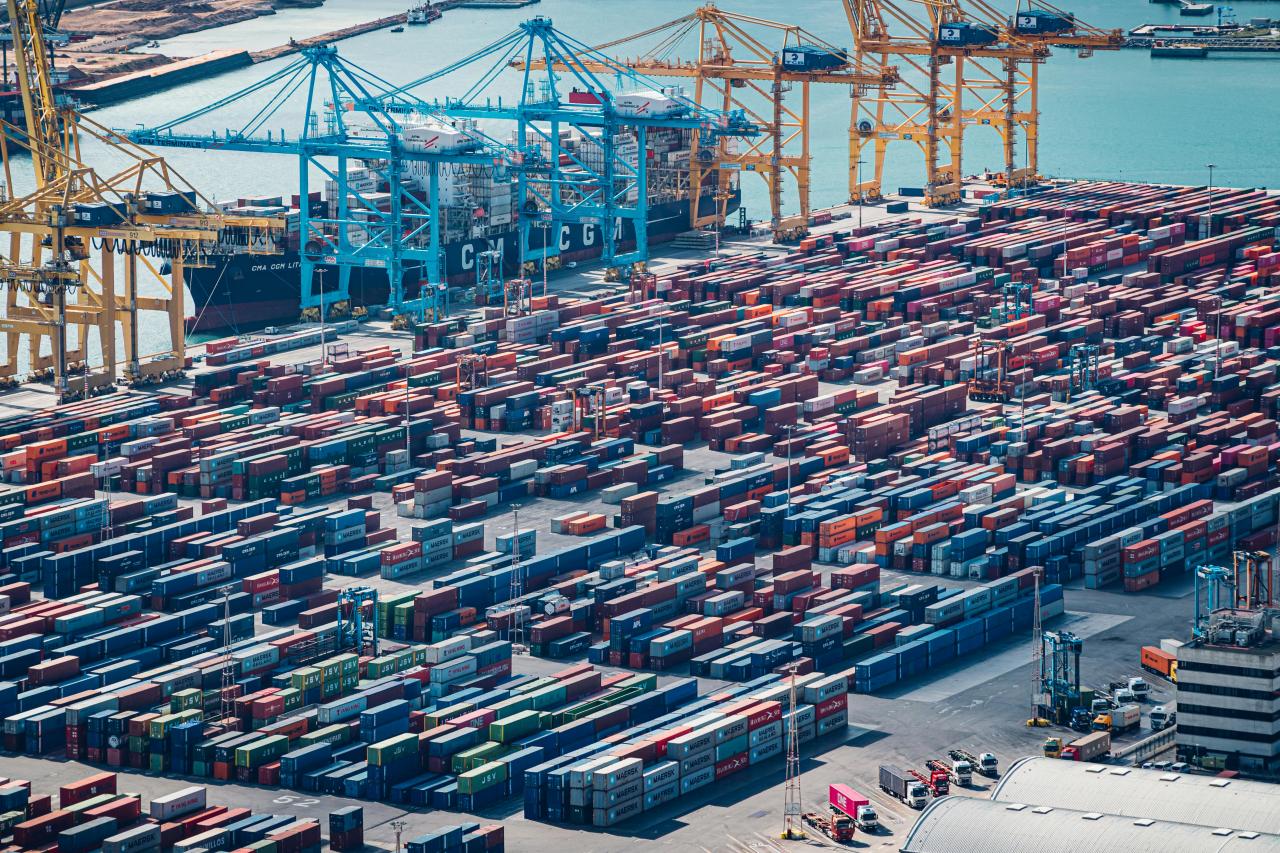
The architecture of modern international commerce is currently facing a period of intense structural reassessment as global supply chains navigate an era defined by unprecedented systemic shocks and shifting geopolitical alliances.
For decades, the primary objective of logistics and procurement was the relentless pursuit of cost reduction through lean, just-in-time models that prioritized short-term efficiency over long-term resilience. However, the fragilities exposed by recent global events have demonstrated that a singular focus on physical movement is insufficient if the underlying financial rails are not equally robust and adaptable.
Supply chain finance has therefore emerged as a critical cognitive tool for corporate treasurers and procurement officers, offering a sophisticated mechanism to stabilize the flow of working capital between buyers and their global network of suppliers. By leveraging the creditworthiness of a large, credit-stable anchor buyer, these financial solutions allow smaller suppliers to access low-cost capital and early payment options that would otherwise be unavailable to them in a volatile credit market.
This symbiotic relationship does not merely ensure that goods keep moving; it fundamentally strengthens the entire commercial ecosystem by reducing the probability of supplier insolvency and subsequent operational bottlenecks.
As we move toward a more fragmented global economy, the ability to deploy flexible liquidity solutions across disparate jurisdictions has become a primary competitive marker for multinational corporations. Furthermore, the integration of advanced digital ledgers and real-time data analytics is allowing for a more granular understanding of counterparty risk, enabling firms to provide targeted financial support to the most critical nodes in their production network.
We are witnessing a transition from simple transactional relationships toward deeply integrated financial partnerships where data transparency and capital velocity are the primary drivers of sustainable growth. The resulting landscape is a more resilient and interconnected web of commerce where the movement of money is as seamless and predictable as the movement of the products themselves.
Ultimately, the successful implementation of an intelligent supply chain finance program represents the definitive frontier of modern risk management, promising a future where global disruptions are met with immediate, automated, and effective fiscal responses.
The Foundations of Modern Liquidity Architecture

The shift toward a more resilient financial framework requires a complete rethinking of how credit and cash flow are managed across the production cycle. Traditional banking products are often too rigid to handle the dynamic nature of modern global trade.
A. Dynamic Reverse Factoring Protocols
B. Inventory Based Asset Financing
C. Multi-Currency Liquidity Buffers
D. Automated Receivables Management Rails
E. Secure Digital Escrow Logic
By adopting these modern protocols, enterprises can ensure that their suppliers remain liquid even during periods of extreme market stress. This stability prevents the “bullwhip effect” where small financial delays at the bottom of the chain cause massive disruptions at the top.
Eliminating Operational Latency in Trade Finance
One of the most significant barriers to a healthy supply chain is the “payment gap” between when a supplier delivers goods and when they actually receive the funds. Supply chain finance eliminates this friction by providing instant access to cash based on approved invoices.
A. Real-Time Invoice Verification Workflows
B. Rapid Disbursement of Working Capital
C. Reduction in Days Payable Outstanding
D. Automated Reconciliation and Auditing
E. Seamless Bank Connectivity via API
Closing this gap allows suppliers to reinvest in their own operations, hire talent, and purchase raw materials more quickly. This speed directly translates to a more agile and responsive production schedule for the anchor buyer.
Enhancing Resilience through Deep Tier Financing
Traditional finance often only reaches the primary suppliers who deal directly with the large corporation. Advanced programs now extend liquidity further down the chain to reach the smaller, secondary suppliers who are often the most vulnerable.
A. Tier Two and Tier Three Supplier Inclusion
B. Verified Data Sharing Across the Network
C. Risk-Adjusted Credit Spreads for Small Firms
D. Automated Onboarding for Global Partners
E. Inclusive Financial Access for Emerging Markets
By protecting the “invisible” layers of the supply chain, companies can prevent localized failures from cascading into global crises. This deep-tier visibility is essential for maintaining a truly resilient end-to-end operation.
Mitigating Geopolitical and Currency Risks
Operating in multiple countries means dealing with a constantly changing landscape of regulations, tariffs, and currency fluctuations. Intelligent finance platforms provide the tools to hedge these risks automatically.
A. Automated Foreign Exchange Hedging Logic
B. Jurisdictional Regulatory Compliance Monitoring
C. Strategic Geographic Diversification of Capital
D. Adaptive Trade Tariff Adjustment Models
E. Cross-Border Settlement Finality Rails
These tools allow the corporate treasury to remain stable even when local markets are in turmoil. Having a global view of risk allows for more informed decisions about where to source materials and where to deploy capital.
The Role of Technology in Financial Transparency
The integration of digital ledgers and cloud-based platforms has made it possible to track the movement of every dollar in real-time. This transparency is vital for building trust between buyers, suppliers, and financial institutions.
A. Immutable Transaction Tracking Systems
B. Real-Time Liquidity Visibility Dashboards
C. Cryptographic Proof of Delivery Modules
D. Collaborative Forecasting and Planning Tools
E. Secure Data Silo Integration Layers
When everyone has access to the same verified data, the need for manual checks and paper-based documentation is eliminated. This reduces the administrative burden on all parties and speeds up the entire financial cycle.
Supporting Sustainability through Green Financing
Modern supply chain finance is increasingly being used to encourage environmentally friendly practices. Buyers can offer better financing rates to suppliers who meet specific environmental and social governance standards.
A. ESG Score Based Interest Rate Adjustments
B. Sustainable Material Sourcing Incentives
C. Carbon Footprint Tracking and Verification
D. Ethical Labor Standard Compliance Monitoring
E. Green Bond Integration for Supply Chains
This creates a powerful incentive for suppliers to modernize their operations and reduce their impact on the planet. It aligns financial goals with global sustainability targets, creating long-term value for all stakeholders.
Managing Counterparty and Credit Risk Concentration
A healthy supply chain requires a balanced distribution of risk across many different partners. Financial platforms use pattern recognition to identify when a company is becoming too dependent on a single supplier or region.
A. Predictive Risk Clustering Identification
B. Dynamic Counterparty Exposure Monitoring
C. Automated Early Warning Alert Systems
D. Scenario Based Stress Testing Frameworks
E. Portfolio Diversification Strategy Logic
By identifying these risks early, the procurement team can take steps to find alternative sources before a disruption occurs. This proactive approach to risk is the hallmark of a world-class supply chain.
The Economic Benefit of Cost of Capital Arbitrage
The core magic of supply chain finance lies in the difference between a large buyer’s low cost of debt and a small supplier’s high cost of debt. By sharing their credit strength, the buyer can lower the total cost of production for everyone.
A. Weighted Average Cost of Capital Synergy
B. Lower Interest Rates for Small Enterprises
C. Reduced Cost of Goods Sold for Buyers
D. Improved Profit Margins for Local Suppliers
E. Enhanced Institutional Investor Attractiveness
This arbitrage creates “found money” that can be shared between the buyer and the supplier. It is a rare win-win scenario that increases the profitability of the entire network.
Future Outlook for Autonomous Supply Chain Finance
We are moving toward a future where the financial needs of the supply chain are managed by intelligent agents. These agents will automatically trigger payments and secure financing based on real-world events.
A. AI Driven Liquidity Allocation Algorithms
B. IoT Triggered Smart Contract Execution
C. Autonomous Negotiation of Finance Terms
D. Real-Time Global Market Shock Adaptation
E. Self-Funding Supply Chain Ecosystems
This level of automation will allow supply chains to be self-healing and self-correcting. The human team will focus on high-level strategic partnerships, while the machine handles the daily flow of capital.
Overcoming Barriers to Global Implementation
Despite the clear benefits, implementing these programs across thousands of suppliers in different countries is a massive undertaking. Success requires a combination of technical capability and cultural change.
A. Standardization of Global Trade Protocols
B. Overcoming Internal Departmental Silos
C. Supplier Education and Engagement Programs
D. Secure Interoperability Between Platforms
E. Legal Framework Harmonization for Digital Trade
Companies that invest the time and effort to overcome these barriers will see a significant return on their investment. They will be better prepared to navigate the challenges of the 21st-century global economy.
Conclusion

The evolution of supply chain finance is a fundamental requirement for the modern digital enterprise. Legacy procurement models are no longer sufficient to handle the volatility of the global market. Integrating financial rails directly into the supply chain provides a massive advantage in resilience. Large buyers must use their credit strength to protect and empower their smaller partners. Technology is the key to achieving the transparency and speed needed for real-time liquidity.
Reducing the payment gap creates a more agile and responsive production environment. Sustainability can be driven through financial incentives that reward green business practices. Risk management must be a proactive process supported by deep-tier data analytics. We are entering an era of truly integrated and automated global commercial finance. Mastering these tools is the only way to ensure long-term stability and growth.